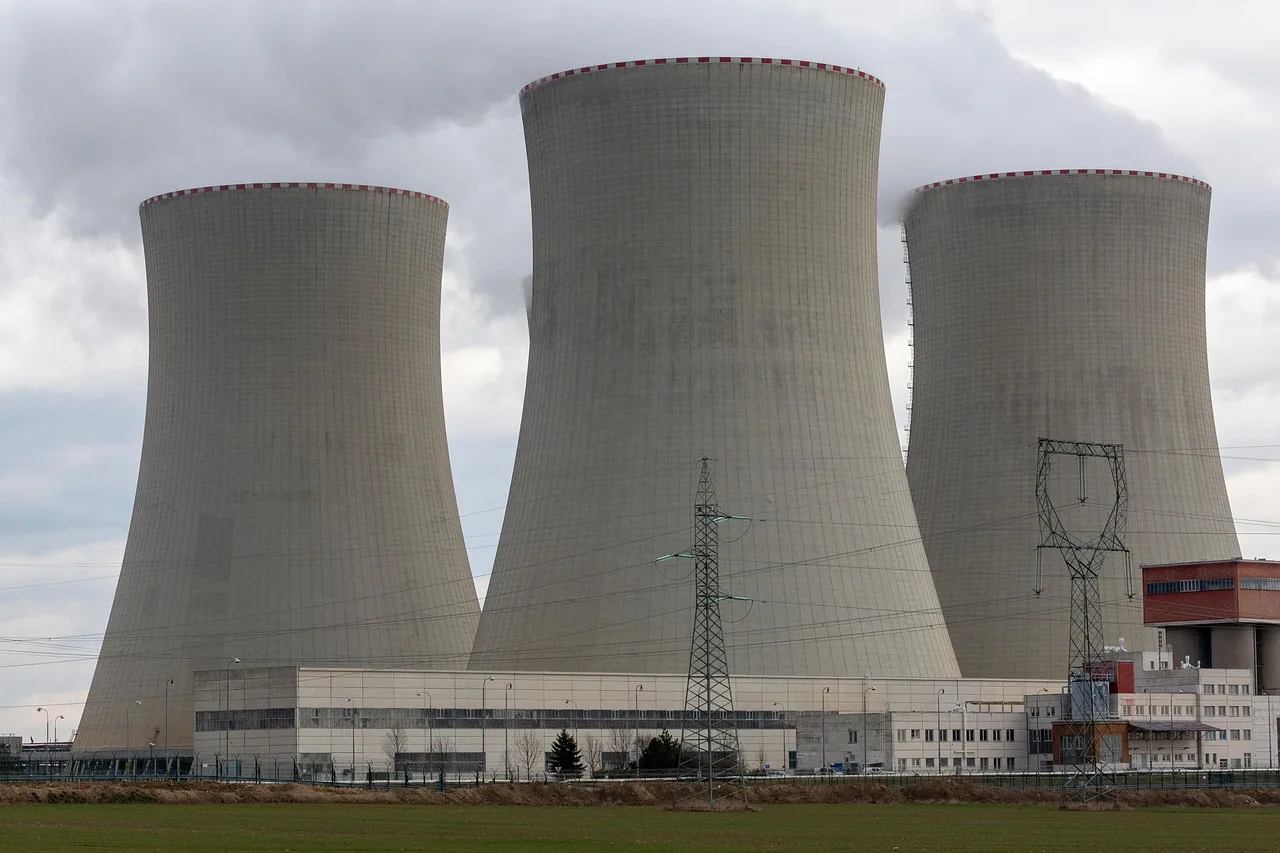
The government is taking direct charge of managing the 24 trillion won Dukovany nuclear power project in the Czech Republic. The move follows the collapse of construction contract talks between Korea Hydro & Nuclear Power (KHNP) and a consortium of Daewoo E&C and Doosan Enerbility. While it seeks a new contractor, KHNP will deploy more of its own staff and place orders separately for part of the design work. The plan is to keep the schedule of applying for a construction permit in April next year and starting construction in November 2029.
Industry, Trade and Resources Minister Kim Jung-kwan chaired a "Team Korea Czech Nuclear Project Progress Review Meeting" at the Seoul Government Complex on the 12th. The meeting discussed follow-up measures after the end of the negotiations. KEPCO E&C, KEPCO Nuclear Fuel and KEPCO KPS also attended, and each organization's progress was reviewed.
After the talks broke down on the 29th of last month, the ministry moved to an emergency management system chaired by the minister and vice minister starting this month. On the 2nd, the vice minister held a meeting to review the response plan KHNP had prepared.
The main construction contract for Dukovany units 5 and 6 was signed in June last year between KHNP and the Czech client. KHNP then discussed a construction contract with the consortium. According to KHNP, the two sides held 91 rounds of talks over 15 months. The sticking points were how to settle construction quantities determined at the detailed design stage and the scope of the contractor's work. KHNP judged that further delays in the contract could disrupt subsequent processes, and formally ended the negotiations on the 29th of last month.
Daewoo E&C issued a statement on the same day in the name of the consortium. It claimed that KHNP had refused a request to extend the negotiation deadline even though the consortium had submitted a revised proposal with a lower construction cost.
The blame game continued this month. The Daewoo E&C union held a press conference at the National Assembly on the 9th. The union claimed that KHNP had put forward new contract terms without properly allowing time to review them. The next day, KHNP rebutted in an explanatory statement. The deadline first demanded by the Czech client was September. KHNP said it set the negotiation deadline at the end of October, later than that, and notified Daewoo E&C in advance. Its position is that even after the revised proposal was submitted, no agreement was reached on how to settle quantities, the scope of work, and reflecting the terms of the main contract in the construction contract.
KHNP must now select a new contractor and prepare the construction permit at the same time. The Team Korea companies that attended the meeting agreed to work with the government to press ahead with follow-up measures.
KHNP announced follow-up measures on the same day. It sorted out the work it must handle while the contractor is being replaced and outlined the procedure for selecting a new contractor. It also presented a detailed schedule for the construction permit application and the start of construction.
The target for selecting a new contractor is July next year. Work related to the construction permit application must therefore proceed before the contractor is confirmed. KHNP divided work on design and licensing, verification of site information, and securing land for accommodation into three tracks: work it will carry out directly, work to be entrusted to Czech companies under existing contracts, and work requiring new contracts. A weekly plan will be drawn up for each task to monitor progress.
The contractor selection process will also proceed in parallel. KHNP will form a joint dedicated team with KEPCO E&C. The selection period will be shorter than in an ordinary open competitive bidding. The "comprehensive review bidding system" stipulated in the National Contract Act will be applied to the evaluation, which will examine construction capability among other factors.
The ministry said it will strengthen the government's project management function to maintain trust and cooperation within Team Korea and boost the competitiveness of the domestic nuclear industry. It is also considering the necessary administrative and diplomatic support. "We will strengthen the government's management role so that state-run nuclear companies have a greater sense of responsibility and leadership," Kim said.
Communication with the Czech government will also increase. The government plans to actively use various channels, including a ministerial-level Dukovany implementation review council, meetings whenever needed, and weekly director-general-level meetings. "We will communicate closely with the Czech government to maintain trust that the project will proceed as planned, and request through these channels the cooperation Team Korea needs from the Czech side," Kim said.
KHNP President Kim Hoe-chun stressed, "We will do our best so that the supply of main equipment and major components, for which contracts were signed last December, proceeds on the planned schedule and the project goes forward stably."