Naver is setting up a subsidiary dedicated to logistics. It concluded that its own infrastructure is needed to keep the initiative in the e-commerce race. Until now, it has outsourced logistics to outside companies.
Naver CEO Choi Soo-yeon unveiled the plan on the 12th during the conference call for third-quarter earnings. "To raise delivery competitiveness and transaction volume, we will establish a logistics-specialized subsidiary and strengthen infrastructure centered on distribution centers in stages," Choi said.
Naver expects it will need investment of close to 1 trillion won through 2030. Choi said the company would limit the impact on cash flow and profit and loss by arranging appropriate financing methods and revenue structures.
It also outlined a division of roles. Distribution center operations and delivery will remain with existing partners, as they are now. The new subsidiary will lead system and data design. The approach is to forecast demand from shopping search and order information and to place inventory closer to users. The company explained that it aims to link shopping and logistics tightly to raise delivery speed and efficiency together.
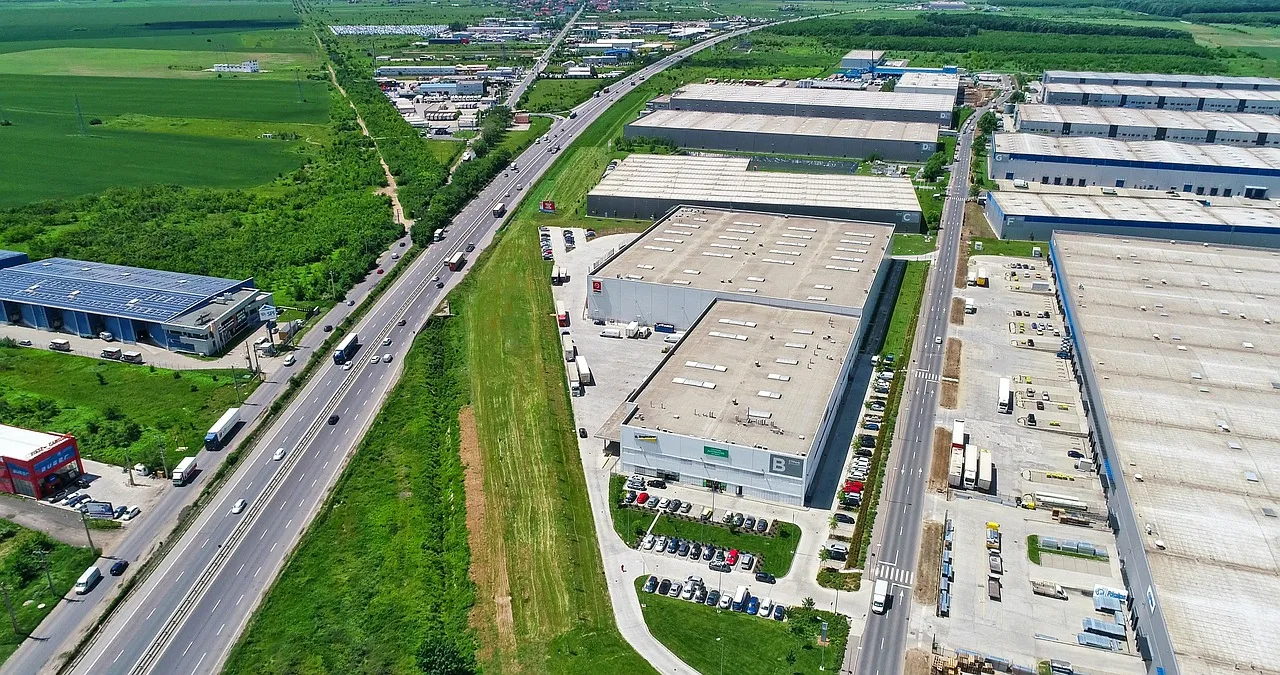
The decision rests on a judgment that the existing collaboration structure alone is hard to sustain against rivals' delivery offensive. However, Naver will lease its distribution centers rather than buy and own them as Coupang does. The calculation is to lower the financial burden while keeping control of the systems.
Preparations have already begun. In September, Naver started recruiting planners to develop its own warehouse management system (WMS) and order management system (OMS). The WMS manages and automates the entire process from when goods enter a distribution center until they leave. The OMS allocates orders and delivery capacity.
Commerce indicators are rising. In the third quarter, on a consolidated basis, service revenue including commerce rose 13.1% from a year earlier. This was the result of growth in Naver Plus Store and membership users and a stronger N Delivery. Guaranteed-arrival transaction volume jumped 38% from the same period a year earlier. About 75% of orders are delivered the next day. The guaranteed-arrival success rate is holding at around 98%.