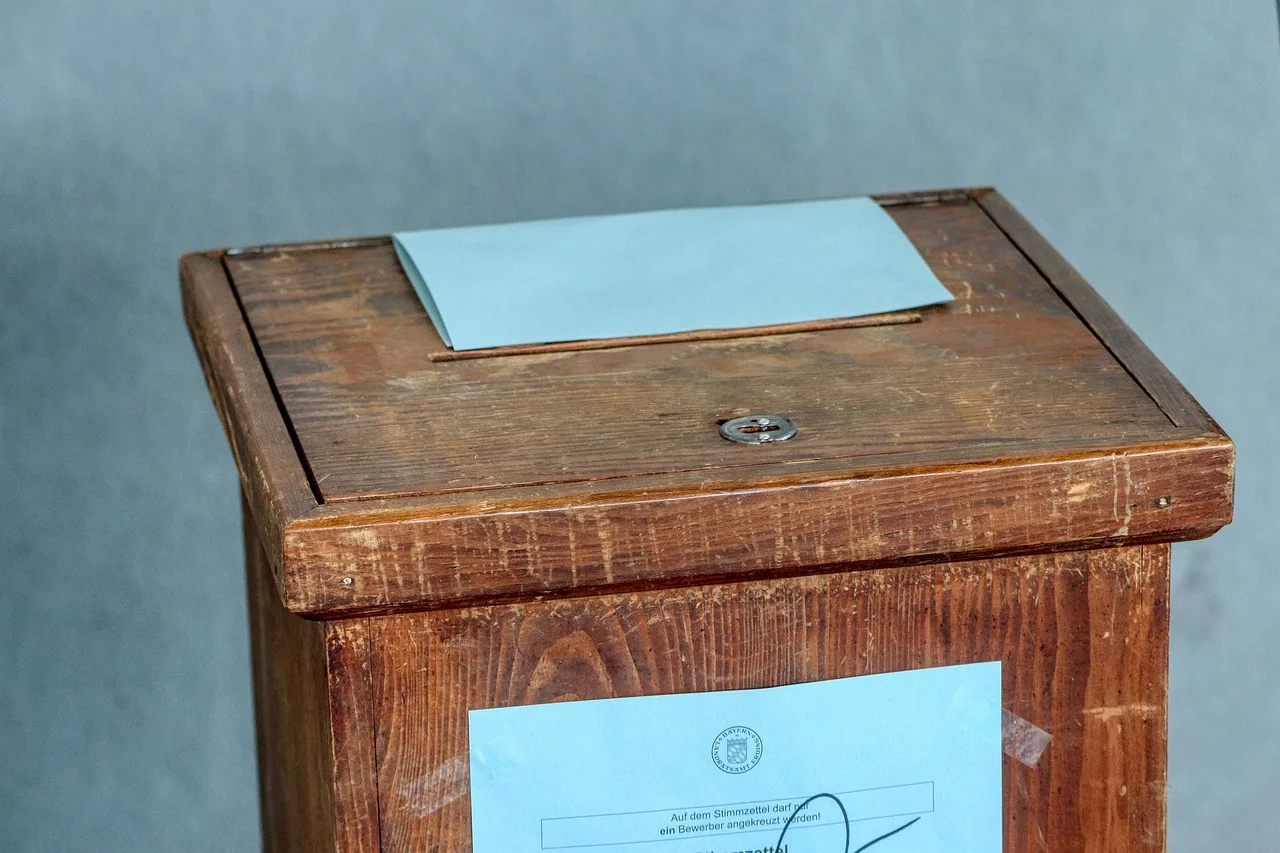
A bill that extends the right to vote for the chairman of the National Agricultural Cooperative Federation (NACF) from association heads to all members has cleared a National Assembly standing committee. About 1.87 million members would gain the right to vote. The bill also spins off the cooperative audit function into a separate entity and widens the scope of members' information disclosure requests. The aim is to increase member participation and internal checks amid repeated cases of vote buying and misconduct.
The Ministry of Agriculture, Food and Rural Affairs said on the 11th that the “partial amendment to the Agricultural Cooperatives Act (alternative bill)” had been passed at a plenary meeting of the National Assembly's Agriculture, Food, Rural Affairs, Oceans and Fisheries Committee. The vote was led by the Democratic Party of Korea. People Power Party lawmakers protested the passage and did not attend the meeting. The bill still awaits review by the Legislation and Judiciary Committee and a plenary vote.
The biggest change is the method of choosing the NACF chairman. Currently, 1,104 association heads vote. Under the amendment, about 1.87 million members, excluding duplicate registrations, would each cast one vote. A new provision recognizes members as NACF members when it comes to electing the chairman.
Direct elections will apply from the next NACF chairman election in 2028. The next chairman's term is shortened to end on the date of the 2031 simultaneous association head elections. After that, NACF chairman elections will be held on the same day as the simultaneous association head elections. Only the next chairman, whose term is shortened, may serve one consecutive additional term.
Out of concern that a larger electorate could politicize the race, eligibility to run has been tightened. Candidates must have maintained membership status for a set period, and use of the cooperative's economic business is also a requirement. Candidates may not join a political party from three years before the election announcement date until the end of the term. For the 2028 election, this period is set at one year.
Anyone who has served as an officer of the newly created NACF Audit Committee cannot run for chairman. This is a safeguard to protect the audit body's independence and neutrality.
The audit system is also changing. The functions of the NACF's in-house Cooperative Audit Committee and others will be separated to set up the NACF Audit Committee, a special corporation without capital. The NACF and member cooperatives will become members of the new entity, but audit work will be carried out independently.
The committee will have five members. The ministry, the Korean Bar Association and the Korean Institute of Certified Public Accountants will each recommend one, and the NACF will recommend two. The original plan called for the government to appoint the chair. Reflecting the views of Nonghyup and others, this was changed so that the members elect the chair among themselves.
Given the transfer of organization and staff and the cost burden, the transition will proceed in stages. An implementation plan must be submitted within six months of the law's passage, the Cooperative Audit Committee must be spun off within one year, and the independent incorporation must be completed within two years.
The ministry will be able to order the NACF Audit Committee to audit the NACF's holding company and subsidiaries. It also gains new joint audit authority. This provides a basis for auditing the holding company and subsidiaries, which had been outside the ministry's supervisory reach.
The threshold for information disclosure is lowered. At present, requesting inspection or copies of an association's account books and other records requires at least 100 members or 3% of all members. The amendment eases this to at least 30 members or 3%. Members can also make requests directly to the NACF with at least 100 members. Repeated requests can be closed out, so that the administrative burden does not grow excessively.
Safeguards for fairness in personnel matters are also included. One external expert will join the NACF's personnel recommendation committee. This expert will be recommended by the agriculture minister after consulting the NACF chairman. The committee's recruitment and screening of candidates will be carried out independently, and undue intervention is prohibited.
The fund to support member cooperatives will be operated with a financial soundness management plan in place instead of prior reporting to the ministry. The aim is to guarantee operational autonomy while also safeguarding soundness.
The NACF chairman, officers and others will be barred from exerting undue influence over personnel or management matters at subsidiaries. They also may not demand illegal acts or improper provision of information or transactions. Concurrent positions held by the chairman in connection with his duties are restricted, except where they are necessary to achieve the NACF's founding purpose and are set out in its articles of incorporation.
Directors and auditors of associations may be reappointed no more than twice. Independent directors will be introduced and compliance functions strengthened. A new provision also requires directors to owe a duty of loyalty to members.
The amendment builds on reform measures announced after consultations between the ruling party and the government in March and April. It then went through seven rounds of review by the bill subcommittee and the gathering of opinions in the field. The ministry plans to cooperate with the remaining legislative procedures. It will also pursue follow-up tasks including activating economic business, expanding the role of urban cooperatives and raising cooperatives' competitiveness.
Agriculture Minister Song Mi-ryeong said, “This amendment keeps the intent of Nonghyup reform while reflecting National Assembly discussions and views from the field, raising the feasibility of the system.” She added, “We will work to strengthen members' participation and Nonghyup's self-cleansing function so that Nonghyup can be reborn as a cooperative for farmers, agriculture and rural communities.”